
01
Conventional Fire Alarm Systems
Conventional systems organise detectors into zones. They may suit some smaller or simpler layouts, depending on the building design and project requirements.
Fire Detection and Warning Solutions
One Point Solution discusses fire alarm system planning for residential, commercial and industrial properties. Explore detection options, alarm notification, installation planning and maintenance considerations for your premises.
Building Fire Detection
A properly planned fire alarm system helps alert occupants when connected detection devices identify specified fire conditions. Detector selection and placement depend on building layout, environmental conditions and how spaces are used.
One Point Solution can discuss suitable detection devices, control panels, alarm notification and installation requirements before preparing a project-specific quotation.
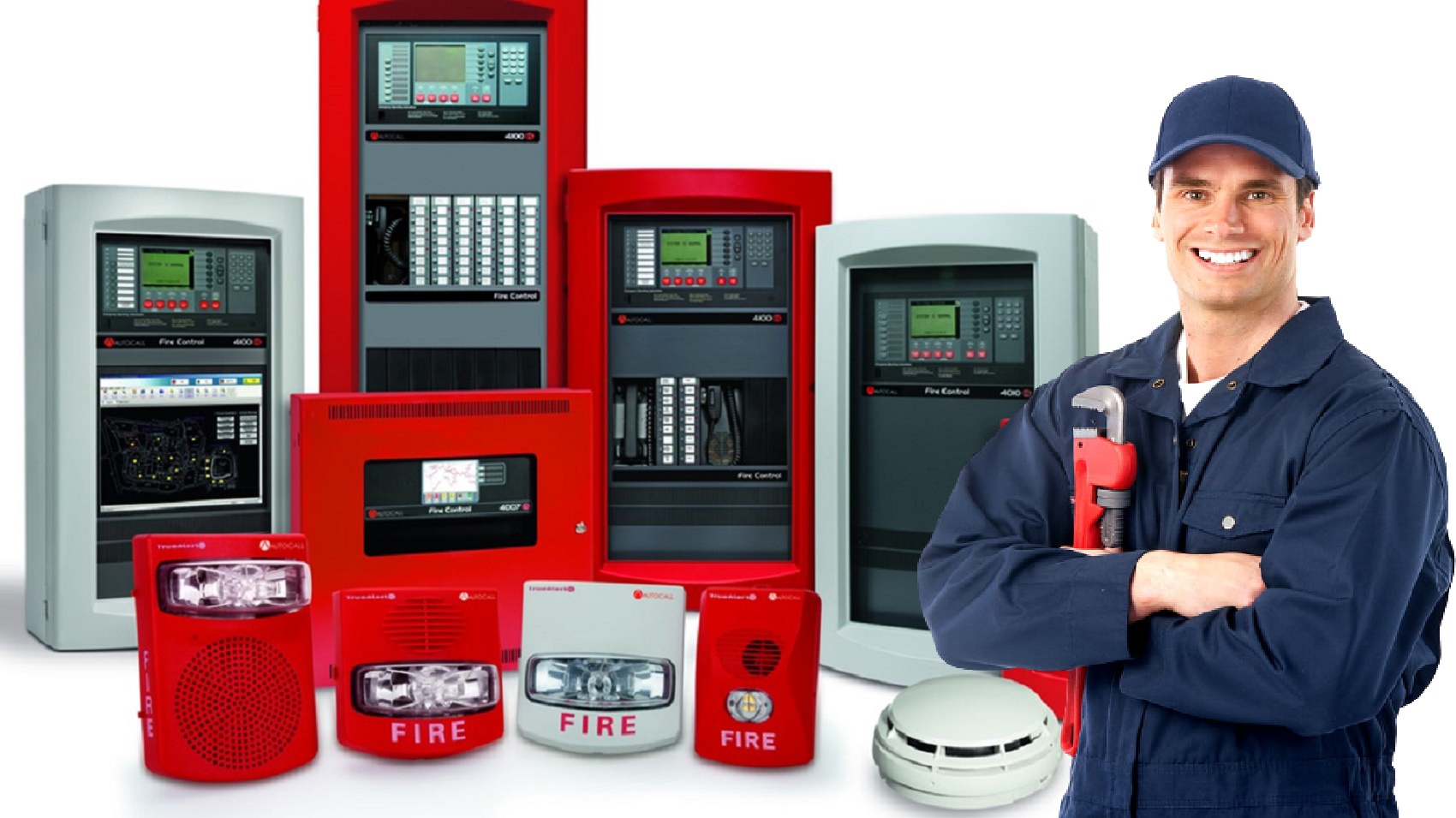
A typical arrangement connects suitable detectors and, where specified, manual call points to a control panel and alarm notification devices. The system is intended to provide warning, not prevent or extinguish a fire. Detector choice and positioning must reflect the building's use, environmental conditions and the requirements established for the project.
Discuss your requirements: 03265284800Smoke, heat, dust, steam, airflow and room usage can affect detector suitability. Device positioning and system design should be assessed for the actual building.
System selection depends on building size, layout, intended coverage and the requirements established for the project.
Conventional systems organise detectors into zones. They may suit some smaller or simpler layouts, depending on the building design and project requirements.
Addressable systems can identify individual compatible devices at the control panel. They may be considered for larger or more complex premises.
Compatible detectors, manual call points, sounders and control panels work together according to the selected system design.
The final device list and available functions depend on the selected equipment and project requirements.
Smoke and heat detectors serve different environments. Dust, steam, cooking activity, temperature and airflow affect suitability. Detector selection should be based on an assessment rather than using the same type throughout every space.
Sounders and any supported visual notification devices are planned around occupied areas and the agreed system design. Panel type, zoning and compatible devices depend on the selected equipment and building requirements.
Routine inspection, testing and attention to faults help maintain system readiness. Maintenance arrangements, battery checks and any service schedule should be discussed for the equipment installed and the premises involved.
Detection and notification planning should reflect each building's occupancy, environment and operational needs.
Fire alarm solutions for homes and shared residential areas, based on the property's requirements.
Fire detection and notification solutions for offices, shops and other occupied business premises.
Fire detection solutions for warehouses and industrial facilities, selected according to local operating conditions.
A structured planning process helps align detection devices, alarm notification and installation work with the project.
Discuss the property layout, occupancy, room usage and the areas requiring fire detection.
Consider suitable detector types, device positions, alarm zones and notification requirements.
Install the agreed devices, wiring and compatible control equipment according to the project plan.
Check system operation, discuss maintenance needs and explain the agreed operating arrangements.
Fire alarm installation cost depends on building size, detector quantity and type, control panel, wiring, notification devices, site conditions and the proposed system design. Conventional and addressable arrangements may have different equipment and installation needs.
A property-specific assessment helps define the required equipment and work. The quotation should identify included devices, installation scope, testing arrangements and any applicable warranty terms.
Regular inspection and testing help identify faults and maintain system readiness. The appropriate maintenance plan depends on the installed equipment and applicable building requirements.
Arrange inspection and functional testing according to the equipment guidance.
Check reported faults and the condition of backup batteries where fitted.
Keep detectors and notification devices accessible for inspection.
Document maintenance and address faults without unnecessary delay.
A fire alarm provides warning; it does not extinguish a fire or replace evacuation procedures, fire prevention measures or other required life-safety provisions.
Contact One Point Solution to discuss fire alarm system requirements for your residential, commercial or industrial premises. Site visits and service availability should be confirmed for your city and project.
03265284800